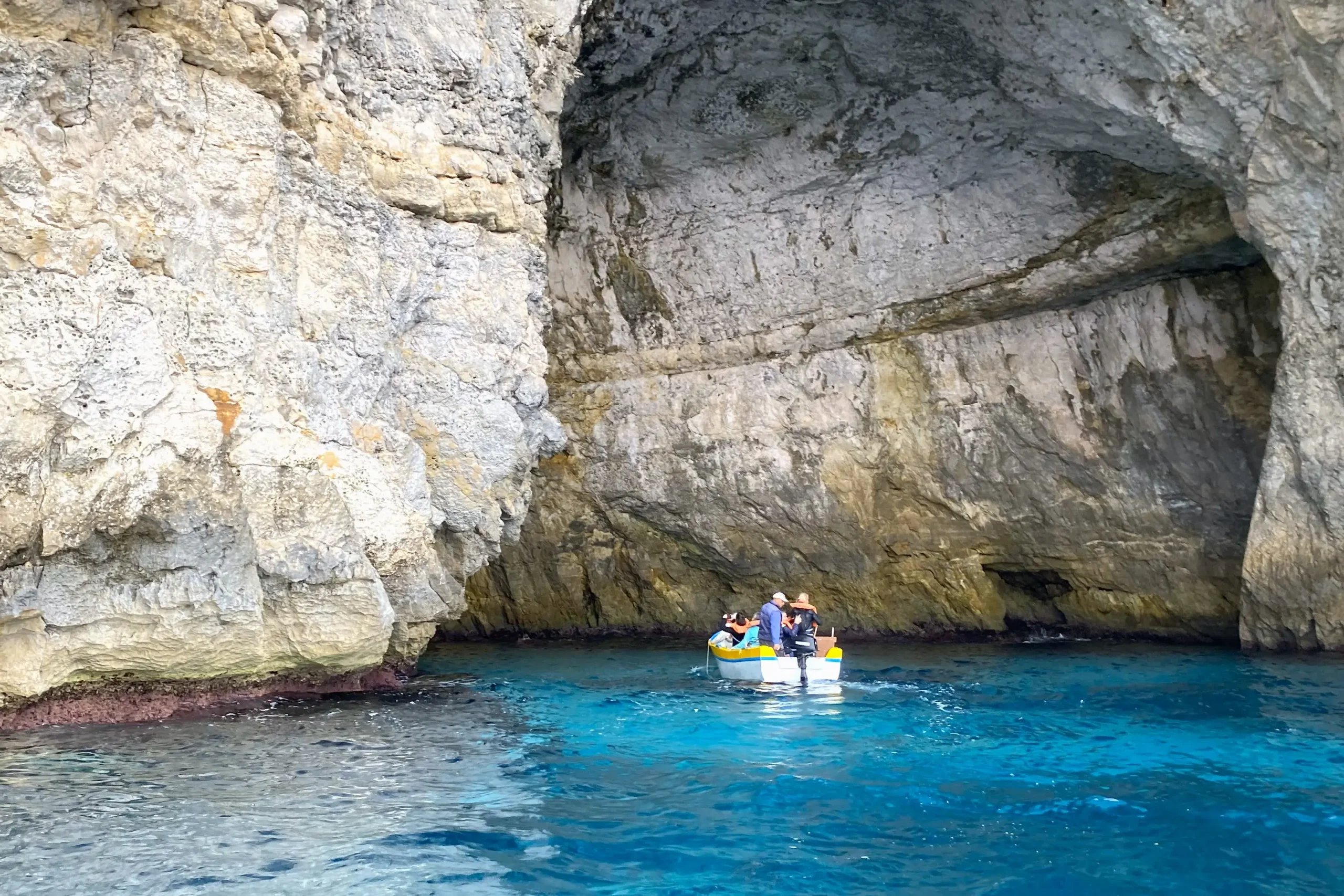



Dingli Cliffs
Scopoli's Shearwater
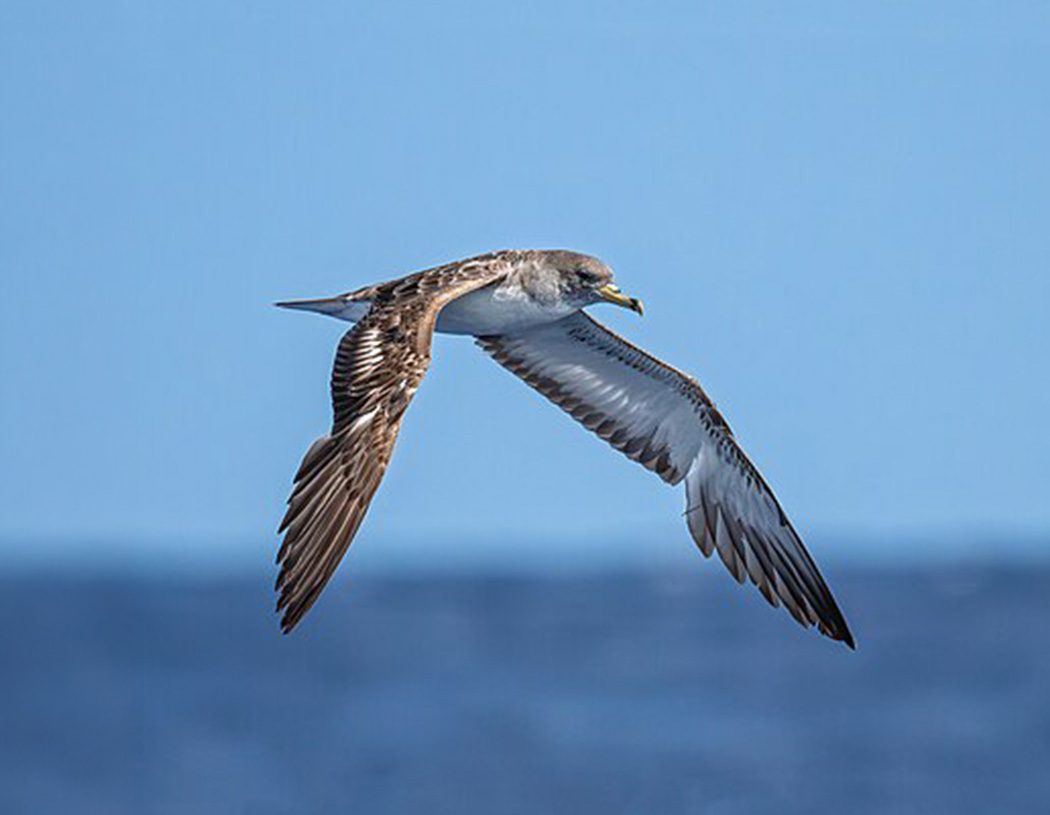
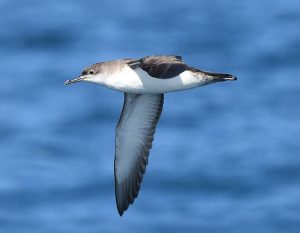
Scopoli's shearwater is a large seabird often seen across the Mediterranean Sea, including around the Maltese Islands. It has long, narrow wings that allow it to glide effortlessly just above the waves, rarely needing to flap. It's named after Giovanni Antonio Scopoli, an 18th-century scientist who studied plants and animals.
During the breeding season, it nests on cliffs and rocky islands, often returning to the same nesting site every year.
Like its relative, the Yelkouan shearwater, it is mostly active at night to avoid predators. Each pair lays a single egg, and both parents share the responsibility of incubating it and feeding the chick once it hatches. The chick stays safely hidden in a burrow or crevice until it is ready to fly out to sea.
At sea, Scopoli’s shearwater feeds mainly on small fish and plays an important role in maintaining balance in marine ecosystems. It often follows fishing boats, hoping for easy meals.
They are amazing travellers, gliding for hours over the sea without flapping much, using air currents like expert surfers of the sky.
This species is not particularly endangered but it faces hreats such as light pollution, plastic pollution, and accidental capture in fishing gear. Protecting nesting areas and reducing human impact at sea are important for its long-term survival.
Dingli Cliffs
Scopoli's Shearwater
Scopoli's shearwater is a large seabird often seen across the Mediterranean Sea, including around the Maltese Islands. It has long, narrow wings that allow it to glide effortlessly just above the waves, rarely needing to flap. It's named after Giovanni Antonio Scopoli, an 18th-century scientist who studied plants and animals.
During the breeding season, it nests on cliffs and rocky islands, often returning to the same nesting site every year.
Like its relative, the Yelkouan shearwater, it is mostly active at night to avoid predators. Each pair lays a single egg, and both parents share the responsibility of incubating it and feeding the chick once it hatches. The chick stays safely hidden in a burrow or crevice until it is ready to fly out to sea.
At sea, Scopoli’s shearwater feeds mainly on small fish and plays an important role in maintaining balance in marine ecosystems. It often follows fishing boats, hoping for easy meals.
They are amazing travellers, gliding for hours over the sea without flapping much, using air currents like expert surfers of the sky.
This species is not particularly endangered but it faces hreats such as light pollution, plastic pollution, and accidental capture in fishing gear. Protecting nesting areas and reducing human impact at sea are important for its long-term survival.